
The Difference Between a Damp Crawl Space and a Wet Crawl Space
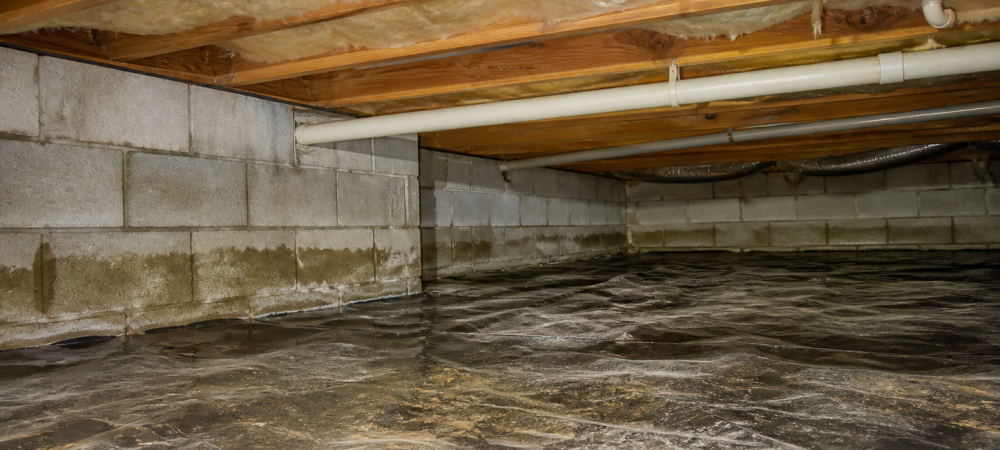
Moisture in a crawl space is not always dramatic. Sometimes there is standing water after a storm, but other times the only signs are a musty smell, damp insulation, or a general feeling of humidity beneath the home.
That distinction matters because a damp crawl space and a wet crawl space are not quite the same problem. They can have different causes, different levels of severity, and different solutions.
What Is a Damp Crawl Space?
A damp crawl space has excess moisture in the air or building materials without obvious standing water.
The space may feel humid, smell musty, or show signs of condensation. Wood framing, insulation, or soil may also stay slightly moist even though there is no visible pooling.
Common signs of a damp crawl space include:
- Musty or earthy odors
- Condensation on pipes or ductwork
- Damp insulation
- Moist soil
- Elevated humidity
- Light surface mold or mildew
- Wood that feels slightly damp
A crawl space can remain damp for long periods without ever developing a visible puddle. That does not necessarily mean the moisture is harmless.
What Is a Wet Crawl Space?
A wet crawl space has visible or active water intrusion.
This may include standing water, saturated soil, dripping surfaces, or water marks that show where moisture has previously accumulated. The condition often becomes more noticeable after heavy rain, snowmelt, plumbing leaks, or drainage problems.
Signs of a wet crawl space can include:
- Standing water
- Muddy or saturated soil
- Water dripping from pipes or surfaces
- Wet insulation
- Staining along foundation walls
- Pooling near crawl space vents or access points
- Water entering after storms
The biggest difference is that a wet crawl space usually involves actual water accumulation rather than humidity alone.
Damp vs. Wet Crawl Space: The Main Difference
The primary difference between a damp crawl space and a wet crawl space is the amount and form of moisture present.
A damp crawl space usually involves humidity, condensation, or moisture trapped in materials. A wet crawl space usually involves liquid water entering or collecting inside the space.
That distinction can help point toward the likely source.
For example, dampness may be associated with poor ventilation, exposed soil, or humid outdoor air. Standing water is more likely to be connected to drainage problems, foundation leaks, plumbing issues, or groundwater.
What Causes a Damp Crawl Space?
A damp crawl space often develops when moisture enters slowly or remains trapped inside.
Common causes include:
- Bare soil releasing moisture into the air
- High outdoor humidity
- Poor air circulation
- Condensation on cold pipes or ductwork
- Inadequate vapor barriers
- Minor foundation seepage
- Moisture entering through crawl space vents
Even without standing water, repeated exposure to humidity can keep wood and insulation damp enough to create long-term problems.
What Causes a Wet Crawl Space?
Wet crawl spaces usually involve a more direct source of water.
Some of the most common causes include:
- Poor grading around the foundation
- Clogged or overflowing gutters
- Downspouts draining too close to the home
- Foundation cracks
- Groundwater seepage
- Plumbing leaks
- Heavy rain or snowmelt
- Failed drainage systems
If water consistently appears after rainfall, exterior drainage should be one of the first areas examined.
Is a Damp Crawl Space a Problem?
Yes. A crawl space does not have to contain standing water to develop moisture-related problems.
Persistent dampness can affect wood, insulation, air quality, and other materials beneath the home. It can also create conditions that support mold growth or attract certain insects and other pests.
A damp crawl space may also be an early warning sign. If the source of the moisture is not addressed, the condition can eventually become worse.
Is a Wet Crawl Space More Serious?
A wet crawl space generally indicates a more significant water problem because liquid water is actively entering or accumulating beneath the home.
Standing water can saturate insulation, keep wood framing wet, and increase humidity throughout the crawl space. Repeated water intrusion can also contribute to deterioration of building materials over time.
That does not mean dampness should be ignored. It simply means visible water usually requires faster attention because the source may continue allowing large amounts of moisture into the space.
How Crawl Space Moisture Affects Your Home
Moisture problems in a crawl space can affect more than the area beneath the floor.
Possible issues include:
- Mold or mildew growth
- Musty odors inside the home
- Damp or damaged insulation
- Wood deterioration
- Pest activity
- Higher indoor humidity
- Condensation on HVAC components or ductwork
Because air from the crawl space can move upward into the living areas of a home, moisture problems below can sometimes affect comfort and air quality upstairs as well.
When Does Dampness Become Too Much Moisture?
A crawl space should not stay consistently humid, musty, or visibly damp.
Occasional moisture after extreme weather may not indicate a major problem by itself, but recurring dampness deserves attention. Condensation, persistent odors, wet insulation, or visible mold are all signs that moisture is not drying properly.
If you regularly notice these conditions, it is worth identifying where the moisture is coming from rather than simply waiting for the crawl space to dry.
How to Check a Crawl Space for Moisture Problems
A basic visual inspection can reveal a lot about the condition of the space.
Look for:
- Standing water
- Darkened or stained wood
- Wet or sagging insulation
- Condensation
- Foundation cracks
- Mold-like growth
- Rust on metal components
- Muddy soil
- Strong musty odors
It can also help to pay attention to when the problem appears. Moisture that worsens after rain may point toward drainage or foundation issues, while ongoing humidity may be connected to exposed soil or air movement.
What to Do About a Damp Crawl Space
The best solution depends on where the moisture is coming from.
Possible steps may include:
- Installing or repairing a vapor barrier
- Improving drainage around the foundation
- Extending downspouts farther from the home
- Addressing condensation
- Sealing unwanted openings
- Repairing minor leaks
- Improving crawl space moisture control
The goal is not just to dry the crawl space temporarily. It is to reduce the amount of moisture entering and prevent it from becoming trapped.
What to Do About a Wet Crawl Space
Visible water should be traced back to its source before repairs are made.
Depending on the cause, the solution may involve:
- Correcting exterior grading
- Repairing gutters or downspouts
- Sealing foundation cracks
- Fixing plumbing leaks
- Improving drainage
- Installing a sump pump
- Adding a drainage system
- Removing and replacing water-damaged materials
Recurring standing water usually indicates that the underlying water problem has not been fully corrected.
Know Which Moisture Problem You Are Dealing With
The difference between a damp crawl space and a wet crawl space comes down to whether you are dealing primarily with excess humidity or actual water intrusion.
Dampness can still lead to mold, odors, material damage, and pest activity if it persists. A wet crawl space usually requires more immediate attention because water is actively entering or collecting beneath the home.
Identifying the source of the moisture is the most important step. Once you know whether the problem is humidity, condensation, drainage, groundwater, or a leak, you can choose a solution that addresses the cause instead of repeatedly treating the symptoms.