
How to Animal-Proof Your Home Before Winter in New Jersey
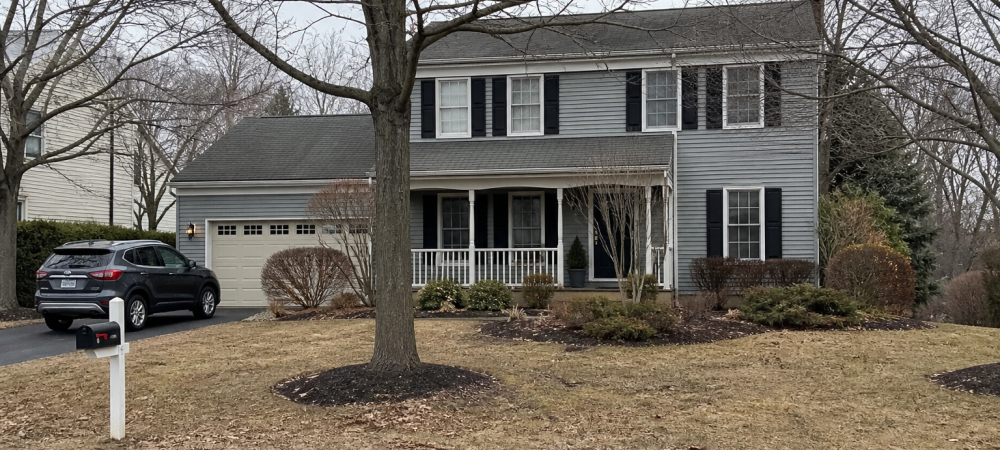
As temperatures drop, homes can become attractive shelter for wildlife looking for warmth, protection, and nesting space. Squirrels, raccoons, mice, and other animals may take advantage of surprisingly small gaps around roofs, vents, foundations, and utility openings.
The best time to deal with those vulnerabilities is before an animal is already living inside. A fall inspection gives you a chance to identify weak spots, make repairs, and reduce the conditions that draw wildlife toward your home in the first place.
Inspect Your Home Before Cold Weather Arrives
Animal-proofing starts with a careful exterior inspection.
Walk around the home and look for damaged, loose, or open areas that could provide access. Pay particular attention to places where different building materials meet, because those transitions often develop gaps over time.
Areas worth checking include:
- Roof edges
- Soffits and fascia
- Attic vents
- Gable vents
- Chimneys
- Crawl space openings
- Foundation gaps
- Siding
- Utility penetrations
- Garage doors
- Areas around pipes and cables
Even if an opening looks too small for a raccoon or squirrel, it may still be large enough for mice or other smaller animals.
Check the Roofline and Attic
The roofline is one of the most important areas to inspect before winter.
Squirrels and raccoons frequently gain access through damaged soffits, loose vents, fascia gaps, or weakened roofing materials. Once inside, an attic can provide warmth, protection from weather, and a relatively undisturbed nesting area.
Look for:
- Loose or damaged soffits
- Missing vent covers
- Gaps along fascia boards
- Lifted roofing materials
- Chewed wood
- Openings near dormers
- Damage around roof vents
- Signs of previous animal activity
It is also worth checking the attic itself for droppings, disturbed insulation, nesting material, or evidence of chewing.
If you find signs that an animal is already inside, do not seal the opening until the animal has been properly removed.
Install or Repair Vent Covers
Exterior vents need airflow, but they should not provide easy access for wildlife.
Damaged or missing covers on attic, gable, dryer, or crawl space vents can create direct entry points. Strong screening or properly fitted vent covers can help keep animals out while allowing the vent to function as intended.
Check existing covers for:
- Tears
- Rust
- Loose edges
- Missing fasteners
- Gaps around the frame
- Damage from previous wildlife activity
A vent cover is only useful if it is securely attached and appropriately sized for the opening.
Protect Your Chimney
An open chimney can provide a direct route into the home.
Raccoons, squirrels, birds, and other wildlife may enter uncapped chimneys when searching for shelter. A properly installed chimney cap can help prevent access while still allowing smoke and gases to escape.
Before winter, inspect the chimney for:
- Missing caps
- Damaged screens
- Loose flashing
- Gaps around the structure
- Signs of nesting material
If an animal may already be inside the chimney, removal should come before exclusion work.
Trim Tree Branches Near the Roof
Branches that extend toward or over the roof can make it easier for climbing animals to reach the home.
Squirrels are especially capable climbers and jumpers. Trimming branches back from the roofline can reduce easy access to gutters, vents, soffits, and other vulnerable areas.
Pay attention to:
- Branches touching the roof
- Limbs hanging over the house
- Dense vegetation near upper-story windows
- Vines growing against siding
- Shrubs providing cover near foundation openings
Trimming vegetation will not make a home completely wildlife-proof, but it removes some of the easiest pathways animals can use.
Seal Gaps Around the Foundation
Winter wildlife problems do not only start at the roof.
Mice and other small animals can enter through gaps near the foundation, siding, crawl spaces, utility lines, and garage doors. These openings can be easy to overlook because they may be close to the ground or hidden behind landscaping.
Inspect for gaps around:
- Water lines
- Gas lines
- Electrical conduits
- Cable entrances
- Foundation vents
- Crawl space doors
- Sill plates
- Garage door edges
Small openings should be repaired with materials appropriate for the location and the type of animal you are trying to exclude.
Check Crawl Space Access Points
Crawl spaces can provide protected shelter for wildlife during colder months.
A loose crawl space door, damaged vent, or foundation opening may allow animals beneath the home. Once there, they can disturb insulation, damage ductwork, contaminate materials, or find additional ways into walls and living spaces.
Make sure crawl space doors close securely and inspect vents and foundation areas for gaps or damage.
If your crawl space also has persistent moisture problems, correcting those conditions can make the space less attractive to some pests while helping protect building materials.
Secure Garbage and Outdoor Food Sources
Animals are more likely to remain around a property when food is easy to find.
Garbage, pet food, birdseed, compost, and fallen fruit can all encourage wildlife activity near the home. Once animals become comfortable visiting a property, they may begin investigating structures for shelter as well.
Before winter:
- Keep garbage containers tightly closed
- Avoid leaving pet food outdoors overnight
- Clean up spilled birdseed
- Pick up fallen fruit
- Store animal feed securely
- Keep compost appropriately contained
Reducing food sources will not prevent every wildlife problem, but it can make your property less rewarding to visit.
Clean Up Yard Debris and Clutter
Sheltered areas around the yard can give animals places to hide close to the home.
Leaf piles, stacked materials, brush, firewood, and unused outdoor items can provide cover for rodents and other wildlife. Cleaning these areas up before winter can reduce the number of protected spaces immediately surrounding the house.
Keep firewood elevated and, when possible, stored away from exterior walls. Remove unnecessary clutter from around sheds, decks, crawl space entrances, and the foundation.
Inspect Your Garage
Garages are another common access point, especially when doors do not close tightly.
Check the weatherstripping along the bottom and sides of the garage door. Even a relatively small gap can provide enough room for mice to enter.
Also inspect:
- Side doors
- Windows
- Wall penetrations
- Storage areas
- Areas behind appliances or shelving
Avoid leaving pet food, birdseed, grass seed, or other attractive materials in easily accessible bags.
Watch for Signs Animals Are Already Inside
Animal-proofing works best before wildlife moves in, but an inspection may reveal that activity has already started.
Possible signs include:
- Scratching or movement in walls
- Noises in the attic
- Droppings
- Chewed materials
- Torn insulation
- Nesting material
- Strong or unusual odors
- Damaged vents or soffits
- Tracks near exterior openings
The timing of noises can also provide clues. For example, squirrels are commonly active during the day, while raccoons are more likely to move around at night.
Do Not Seal an Active Entry Point
One of the biggest mistakes homeowners can make is sealing an opening while an animal is still inside.
If wildlife is trapped, it may damage walls, ceilings, vents, or other materials while trying to escape. There may also be young animals inside that cannot leave on their own.
Before permanently closing an entry point, make sure the animals have been removed and the space is no longer active.
Make Repairs Before Winter Weather Makes Them Worse
Small exterior problems can become larger after repeated exposure to wind, rain, snow, and freezing temperatures.
A loose vent cover, damaged soffit, or minor gap may be easier to repair in fall than after winter weather arrives. Addressing these weaknesses early also reduces the chance that wildlife will turn them into larger entry points.
Prioritize repairs to:
- Roofline damage
- Loose vents
- Foundation openings
- Chimney caps
- Crawl space doors
- Garage seals
- Damaged exterior trim
The goal is to create a continuous exterior barrier without trapping animals that may already be inside.
Animal-Proofing Your New Jersey Home Before Winter
Animal-proofing before winter is mainly about removing easy opportunities.
Inspect the roofline, vents, chimney, foundation, crawl space, and garage for openings. Trim back branches, secure outdoor food sources, clean up clutter, and repair damaged areas before colder weather encourages wildlife to look for shelter.
A little prevention in fall can help reduce the chance of hearing scratching, chewing, or heavy footsteps overhead once winter is already underway.