
How Moisture Builds Up in Crawl Spaces and Basements
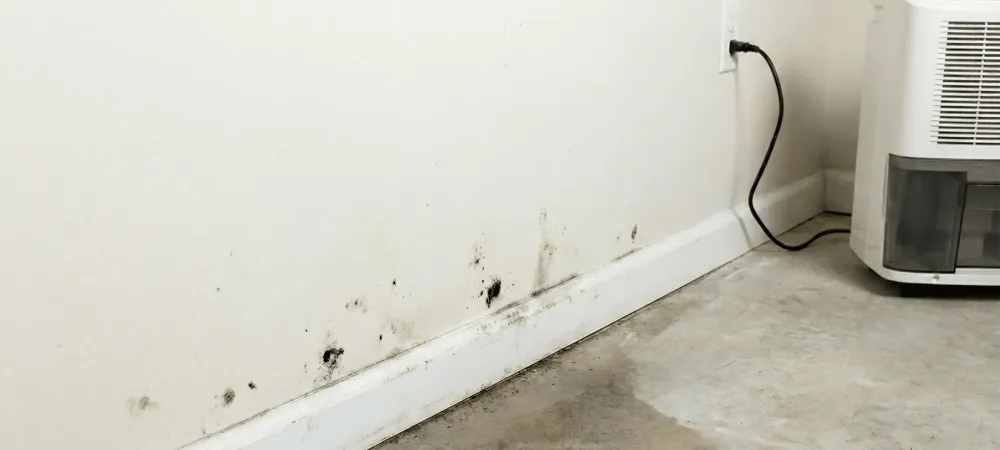
Moisture problems in crawl spaces and basements rarely come from a single source. In most homes, excess moisture develops slowly as air movement, soil conditions, and structural factors interact over time. Because these spaces are out of sight, early warning signs are often missed.
Understanding how moisture builds up below the home makes it easier to identify problems before they lead to damage, odors, or indoor air quality concerns.
Ground Moisture Rising Into the Home
Soil naturally contains moisture, even during dry periods. In crawl spaces and basements, this moisture can evaporate upward into the air if the ground is not properly sealed or protected.
When bare soil or inadequate ground coverings are present, moisture continuously enters the space from below. Over time, this can raise humidity levels and create consistently damp conditions.
This type of moisture buildup often goes unnoticed because it does not rely on visible leaks or standing water.
Humid Outdoor Air Entering Enclosed Spaces
Crawl spaces and basements are often affected by outside air entering through vents, gaps, or foundation openings. During warm and humid conditions, this air carries moisture with it.
When humid air enters a cooler enclosed space, moisture can condense on surfaces such as ductwork, framing, or foundation walls. Instead of drying the space, ventilation can sometimes make moisture problems worse.
This is especially common in crawl spaces that rely on passive venting without moisture control.
Water Intrusion From Rain and Drainage Issues
Rainwater can contribute to crawl space and basement moisture when drainage around the home is inadequate. Water may collect near the foundation and slowly seep through porous materials or small cracks.
Common contributors include:
- Improper grading that directs water toward the foundation.
- Clogged or poorly placed gutters and downspouts.
- Saturated soil after heavy or repeated rainfall.
Even small amounts of water intrusion can raise moisture levels if the space does not dry effectively.
Condensation on Cool Surfaces
Condensation forms when warm, moist air comes into contact with cooler surfaces. In crawl spaces and basements, this often occurs on:
- HVAC ducts.
- Plumbing lines.
- Concrete or masonry walls.
- Metal surfaces.
Over time, repeated condensation can dampen surrounding materials and contribute to persistent moisture, even without direct water entry.
Why Moisture Problems Tend to Persist
Once moisture becomes established below the home, it often continues unless the underlying causes are addressed. Damp materials dry slowly in enclosed spaces, and new moisture is frequently introduced through air movement or soil evaporation.
This creates a cycle where humidity remains elevated, increasing the likelihood of mold growth, material deterioration, and odors that travel upward into the living space.
When Moisture Problems Require Professional Evaluation
Minor moisture issues may improve with basic adjustments, but persistent dampness usually indicates multiple contributing factors. Professional evaluations focus on identifying how moisture is entering the space, how air is moving, and whether existing materials are affected.
Addressing moisture with encapsulation services can help stabilize humidity levels and reduce the long-term impact on the home and indoor air.