
How Wildlife Gets Inside Your Home
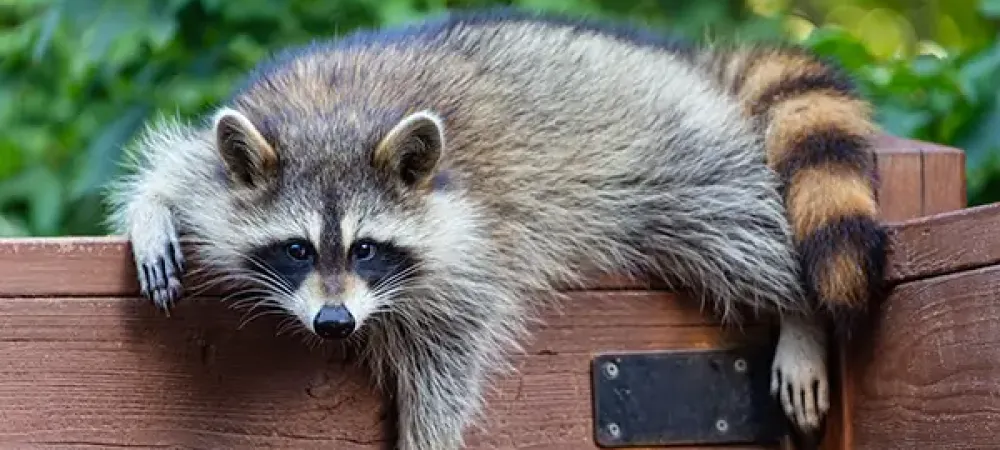
Wildlife does not enter homes by accident. Animals take advantage of specific structural openings and environmental conditions that make access easy and interior spaces appealing. Once an entry point exists, wildlife activity often continues until those access points are fully addressed.
Understanding how wildlife gets inside a home helps explain why problems repeat and why activity is often discovered only after damage has already occurred.
Common Entry Points for Wildlife
Many animals need far less space to enter a home than most homeowners expect. Small gaps and weak points along the exterior can provide direct access to attics, crawl spaces, wall voids, and garages.
Common entry points include:
- Gaps where siding meets the foundation.
- Openings around rooflines, soffits, and fascia.
- Uncovered or damaged vents and exhaust openings.
- Spaces around plumbing, electrical, or HVAC penetrations.
- Crawl space doors that do not seal tightly.
These openings often develop gradually due to weather exposure, material aging, or minor structural movement, making them easy to miss during routine inspections.
Rooflines
Rooflines are especially vulnerable to wildlife entry. Shingles, flashing, and trim materials can loosen or deteriorate over time, particularly around edges, valleys, and transitions.
Once animals reach the roof, attics offer:
- Warm, dry shelter.
- Protection from predators.
- Quiet, enclosed spaces suitable for nesting.
- Easy access to insulation and framing materials.
Because attic activity is hidden from view, wildlife may remain undetected for long periods before signs become noticeable inside the home.
Crawl Spaces
Crawl spaces offer wildlife protected access close to the ground, making them attractive entry points for animals that prefer concealed routes. Foundation gaps, vent openings, and access doors are common weak spots.
Crawl spaces often provide:
- Stable temperatures throughout the year.
- Dark, undisturbed environments.
- Access to insulation and soil.
- Proximity to food sources around the home.
If crawl space openings are not properly sealed, animals can enter repeatedly without being seen.
Seasonal Patterns That Increase Wildlife Activity
Wildlife behavior changes throughout the year, increasing the likelihood of home entry during certain seasons.
- In colder months, animals seek warmth and shelter.
- During breeding seasons, enclosed spaces are used for nesting.
- In fall, animals look for protected areas to overwinter.
These patterns explain why wildlife activity often appears suddenly or returns at the same time each year.
The Damage Wildlife Can Cause
Wildlife inside a home can cause gradual damage that is not immediately visible. Insulation may be compressed or displaced, reducing its effectiveness. Nesting materials can trap moisture or restrict airflow.
Over time, wildlife activity may lead to:
- Reduced insulation performance.
- Odors spreading through the home.
- Moisture buildup in attics or crawl spaces.
- Damage to wiring, ductwork, or structural materials.
Because much of this damage occurs out of sight, problems often worsen before they are discovered.
Signs of Wildlife in Your Home
Early warning signs are often subtle and easy to overlook.
Homeowners may notice:
- Scratching or movement sounds in walls or ceilings.
- Unusual odors near floors or upper levels.
- Disturbed insulation or nesting debris.
- Visible exterior gaps or damaged materials.
Recognizing these signs early can help limit damage and prevent repeated activity.
When Entry Points Need Professional Evaluation
Identifying wildlife entry points can be difficult, especially when access involves rooflines, attics, or crawl spaces. Professional evaluations focus on locating access routes, understanding animal behavior patterns, and identifying structural vulnerabilities. If you've noticed any of the above signs of wildlife in your home, contact our team today for quick wildlife removal and relief!