
Signs Your Home’s Insulation Needs an Upgrade
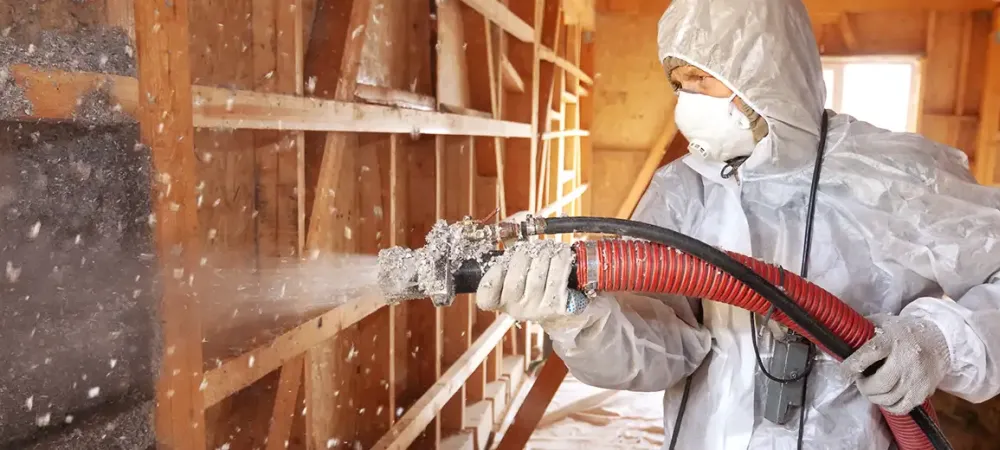
Insulation plays a quiet but critical role in how a home performs. When it is working properly, indoor temperatures stay more consistent, energy use remains predictable, and heating and cooling systems operate efficiently. When insulation breaks down or was installed incorrectly, the symptoms often appear gradually and are easy to misdiagnose.
Understanding these warning signs can help homeowners determine whether insulation may be contributing to comfort issues, rising energy costs, or inconsistent indoor conditions.
Uneven Temperatures From Room to Room
One of the most common signs of insulation problems is uneven temperature throughout the home. Some rooms may consistently feel warmer or colder than others, even when doors are open, and the HVAC system is running as expected.
This typically occurs when insulation is missing, compressed, or unevenly distributed in areas such as attics, walls, or crawl spaces. Without consistent insulation coverage, heat moves more freely in certain parts of the home, leading to noticeable temperature differences.
Homeowners often notice this issue in:
- Bedrooms that feel colder than shared living spaces.
- Upper floors that are harder to keep cool in warm weather.
- Rooms located above garages or crawl spaces.
Heating and Cooling Systems Running Longer Than Expected
Insulation helps slow the transfer of heat between the inside and outside of the home. When insulation is underperforming, conditioned air escapes more easily, and outdoor air enters, forcing heating and cooling systems to work harder to maintain set temperatures.
This may show up as longer run times or more frequent cycling, even during moderate weather. In many cases, the HVAC system itself is functioning properly, but insulation gaps prevent it from operating efficiently.
Over time, this increased workload can lead to higher energy use and added strain on HVAC equipment.
Higher Energy Bills Without a Clear Explanation
A gradual rise in energy costs is another common indicator of insulation issues. When insulation allows heat loss in colder months or heat gain in warmer months, energy demand increases throughout the year.
Because these changes happen slowly, homeowners may not notice a sudden spike in utility bills. Instead, costs remain consistently higher than expected, even when usage habits stay the same.
This type of inefficiency is often mistaken for aging HVAC equipment or fluctuating utility rates, when insulation performance is actually the underlying issue.
Cold Floors or Drafts Without Visible Gaps
Cold floors and draft-like sensations can signal insulation problems below the living space or inside walls, particularly in homes with crawl spaces or older insulation systems.
These conditions commonly result from:
- Missing or deteriorated crawl space insulation.
- Insulation that has fallen away from floor joists.
- Gaps caused by settling, moisture exposure, or age.
Even when windows and doors are well sealed, these insulation issues can allow unconditioned air to influence indoor spaces, especially near floors and exterior walls.
Insulation That Appears Damaged or Out of Place
In areas where insulation is visible, such as attics or crawl spaces, physical condition matters. Insulation does not need to be completely missing to lose effectiveness. Small changes in position or moisture exposure can significantly reduce performance.
Signs insulation may no longer be working as intended include:
- Sagging or compressed material.
- Damp or discolored insulation.
- Sections pulling away from framing or surfaces.
- Areas that appear disturbed or incomplete.
Moisture, pests, and normal aging can all contribute to insulation breakdown over time, even in homes that were properly insulated when built.
Ongoing Comfort Issues Despite HVAC Maintenance
Insulation and HVAC systems work together. Even a well-sized, well-maintained system cannot compensate for significant heat loss or gain caused by inadequate insulation.
In these situations, homeowners may continue adjusting thermostats or scheduling service visits without resolving the root cause. Insulation performance is frequently the missing piece.
When Insulation Issues Go Beyond Simple Fixes
Minor insulation gaps can sometimes be addressed with small repairs, but broader issues often require a more comprehensive evaluation. Insulation problems are rarely isolated to one area and may involve attics, walls, and crawl spaces working together.
A professional insulation assessment can help identify where performance is falling short, whether moisture or airflow is contributing to the issue, and which improvements would have the greatest impact. Addressing insulation at the source can help restore consistent indoor temperatures, reduce unnecessary energy use, and improve overall home performance. Contact us today to improve your home's efficiency!