
Squirrel vs. Raccoon in the Attic: How to Tell the Difference
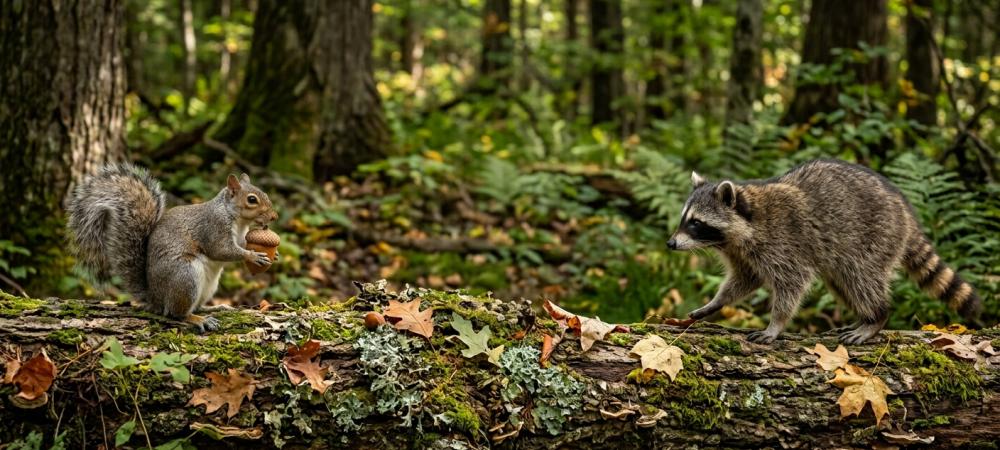
Hearing scratching, thumping, or movement above your ceiling can make it obvious that something has gotten into the attic. Figuring out exactly what is up there can be more difficult.
Squirrels and raccoons are both capable of entering homes and using attics for shelter. New Jersey wildlife officials specifically identify both species among mammals that can become problematic around homes, and raccoons are known to take up residence in attics and chimneys.
Fortunately, their behavior leaves some useful clues.
Squirrel vs. Raccoon in the Attic: Key Differences
The easiest way to distinguish a squirrel from a raccoon in your attic is to pay attention to when you hear the animal, how heavy it sounds, and the type of damage around its entry point.
In general:
- Squirrels: More likely to be heard during daylight hours
- Raccoons: More likely to be active at night
- Squirrels: Produce lighter scratching, scurrying, and chewing sounds
- Raccoons: Produce heavier footsteps, thumps, and movement
- Squirrels: Can enter through relatively small openings
- Raccoons: Typically need a larger opening and may tear or pull building materials apart to get inside
- Squirrels: Frequently gnaw on wood, insulation, and wiring
- Raccoons: Can disturb insulation, damage roofing materials, and contaminate attic areas
These signs are useful clues rather than guarantees. An inspection of the attic and exterior of the home is usually necessary to confirm the animal involved.
What Do Squirrels Sound Like in an Attic?
Squirrels in an attic usually sound like quick scratching, scampering, chewing, or light running overhead.
Because common tree squirrels are primarily active during the day, noises heard in the morning or throughout daylight hours can point toward squirrels. You may hear activity pick up shortly after sunrise as the animals begin moving in and out of the attic.
Squirrels also gnaw frequently. Pennsylvania State University notes that squirrels can chew siding and areas beneath eaves to create access and may damage insulation or the insulation surrounding electrical wires once inside.
Common squirrel sounds include:
- Fast scampering across the attic floor
- Scratching inside ceilings or walls
- Repeated chewing or gnawing
- Light rustling in insulation
- Occasional squeaking or chattering
If the noises sound relatively quick and light rather than heavy and deliberate, a squirrel becomes a stronger possibility.
What Do Raccoons Sound Like in an Attic?
Raccoons tend to make louder, heavier noises that are most noticeable at night.
Instead of light scampering, you may hear slow footsteps, heavy thumps, scratching, or objects being moved around. Raccoons can also vocalize with growls, whining, or other noises when occupying an attic or chimney.
Typical raccoon noises can include:
- Heavy walking or stomping
- Loud scratching
- Thumping against ceilings or walls
- Growling or whining
- Movement primarily after dark
A large animal moving slowly across the ceiling at 2 a.m. is therefore more consistent with a raccoon than a typical tree squirrel.
Check the Time of Day
The timing of attic noises is one of the most helpful identification clues.
Daytime activity usually points more toward squirrels. Tree squirrels commonly leave their shelter to forage during daylight hours, which can create noticeable activity as they enter and exit the attic.
Nighttime activity is more characteristic of raccoons. Raccoons typically rest during the day and become active after dark. New Jersey wildlife information similarly notes that raccoons commonly search for food at night.
If you are unsure, keep track of when you hear the noises for a couple of days. A consistent pattern can help narrow down the likely animal.
Look for Entry Point Damage
The condition of your roofline may provide another clue.
Squirrels can squeeze through relatively small gaps and may enlarge weak spots by chewing. Common areas include roof edges, soffits, fascia, vents, and gaps where building materials meet.
Raccoons are much larger and generally require a bigger opening. They are also strong enough to tear at shingles, fascia boards, vents, or other vulnerable materials to gain access. Wildlife guidance specifically identifies damaged shingles and fascia as signs associated with raccoon entry into attics and wall spaces.
Look around the exterior for:
- Chewed wood
- Damaged soffits
- Loose or torn vents
- Lifted roofing materials
- Openings around roof edges
- Scratches or dirty markings near an entrance
Avoid climbing onto the roof yourself if the suspected entry point cannot be inspected safely from the ground.
Compare the Damage Inside the Attic
Both animals can cause problems once they settle inside, but the damage may look different.
Squirrel Damage
Squirrels' constant need to gnaw can make chewing damage especially noticeable. Signs may include:
- Chewed wood
- Damaged insulation
- Gnawed electrical wiring
- Shredded nesting materials
- Small droppings scattered around activity areas
Damaged electrical wiring is particularly concerning because exposed wiring can create a fire hazard.
Raccoon Damage
Because raccoons are much larger, the disturbance they create can be more extensive. You may find:
- Flattened or displaced insulation
- Torn ductwork or building materials
- Large amounts of feces in a concentrated area
- Strong odors
- Damage around the attic entrance
Rather than simply focusing on how much damage exists, look at the type and scale of the disturbance.
Can You Tell by the Droppings?
Droppings can provide another identification clue, although homeowners should avoid directly handling wildlife feces.
Squirrel droppings are relatively small and elongated. Raccoon droppings are considerably larger and may accumulate repeatedly in the same location because raccoons can use communal or repeated defecation sites known as latrines.
Finding large droppings concentrated in one section of an attic makes a raccoon more likely than a squirrel.
Do not sweep, vacuum, or pick up unidentified wildlife waste without appropriate precautions. Contaminated attic materials may require professional cleanup depending on the extent of the problem.
Don't Seal the Entry Point Too Soon
Finding the opening does not necessarily mean you should immediately close it.
If an animal is still inside, sealing the entrance can trap it in the attic and potentially cause additional damage as it attempts to escape. This is particularly important with squirrels, which may chew aggressively when trapped; wildlife guidance recommends confirming animals have left before permanently closing access points.
There may also be young animals inside even when the adult is temporarily gone.
The better approach is to identify the species, determine how many animals may be present, remove them appropriately, and then repair and secure the entry points.
Squirrel or Raccoon? An Inspection Can Confirm It
Activity time and noise are often the easiest clues when comparing squirrels and raccoons in an attic. Light scratching and running during the day are more consistent with squirrels, while heavy footsteps and thumping at night are stronger signs of raccoon activity.
However, attic noises alone cannot always confirm what is inside. Other animals can create similar sounds, and more than one entry point may be present.
A professional wildlife inspection can identify the animal, locate how it entered, evaluate any damage or contamination, and determine what needs to be sealed after the animal has been removed. New Jersey Fish & Wildlife recommends contacting a pest control company or local animal control officer for problematic mammals including squirrels and raccoons.