
Why a Dry Crawl Space Matters for Indoor Air Quality
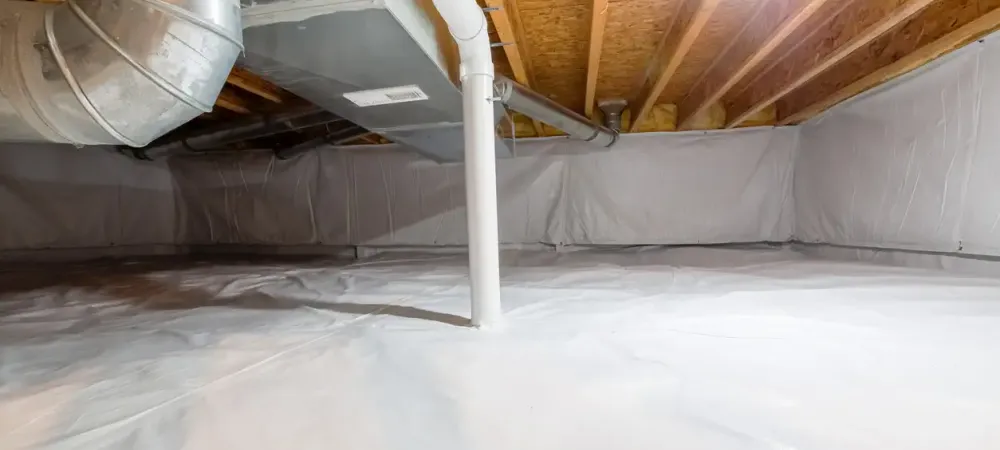
When people think about indoor air quality, they usually focus on things like dust, ventilation, or air filters. What often gets overlooked is the crawl space. Even though it sits below the living areas of a home, the conditions in a crawl space can have a direct impact on the air moving through the rest of the house.
A damp or poorly maintained crawl space does more than create structural concerns. It can influence humidity levels, odors, and airborne particles throughout the home.
How Crawl Spaces Affect the Air Inside Your Home
Air does not stay neatly separated by floors. In many homes, air moves upward from the crawl space into the living areas through gaps around plumbing, wiring, ductwork, and flooring. This natural movement means whatever is present in the crawl space can travel into the home.
If the crawl space is dry and well-controlled, this airflow is typically not an issue. When moisture is present, however, it can introduce unwanted elements into the indoor environment.
How Mold Can Affect Air Quality
Excess moisture in a crawl space creates conditions that affect air quality in several ways.
- Damp air can raise humidity levels throughout the home.
- Moist surfaces can support mold and mildew growth.
- Moisture can cause insulation to break down or become less effective.
- Odors from damp soil, wood, or organic material can travel upward.
Over time, these conditions can make the indoor air feel heavier, mustier, or uncomfortable, even if the living spaces appear clean and well maintained.
The Dangers of Moisture
Mold does not need standing water to develop. Consistently high humidity alone can be enough. Once mold begins to grow in a crawl space, spores can become airborne and move through the home along with rising air.
While not every damp crawl space has a mold problem, moisture significantly increases the risk. Even small amounts of mold growth can contribute to noticeable odors and reduced indoor air quality.
How Crawl Space Moisture Raises Indoor Humidity
A moist crawl space can make it harder to control indoor humidity. When excess moisture enters the living space, it can lead to:
- A sticky or clammy feeling indoors.
- Increased strain on heating and cooling systems.
- Condensation on windows or cooler surfaces.
- Inconsistent comfort from room to room.
These issues are often mistaken for HVAC problems when the underlying cause is actually below the home.
How Crawl Space Conditions Affect Insulation
Crawl space insulation plays a role in both energy efficiency and air quality. When insulation becomes damp, it can lose effectiveness and may even trap moisture against structural components.
Damaged or sagging insulation can also allow more unconditioned air to move freely into the home. This increases the likelihood that damp air, odors, or airborne particles will circulate upward.
Signs Crawl Space Moisture May Be Affecting Your Indoor Air
Homeowners may notice subtle indicators that crawl space conditions are influencing indoor air quality.
- Persistent musty smells that are stronger near floors or vents.
- Higher indoor humidity despite running air conditioning.
- Floors that feel cooler or damp during humid weather.
- Increased dust or allergy-like irritation without an obvious source.
These signs do not always point to a crawl space issue on their own, but they often appear when moisture below the home is not properly managed.
When Professional Help Makes Sense
Ongoing crawl space moisture is usually tied to airflow, soil moisture, insulation breakdown, or foundation gaps working together. These conditions are difficult to correct with surface-level fixes alone.
Professional crawl space services focus on identifying how moisture enters the space and how it affects air movement and insulation performance. Addressing these issues at the source can help lower excess humidity, limit mold-friendly conditions, and reduce the transfer of damp air into the living areas above. If you are experiencing any of the above signs of excess moisture in your crawl space, contact our team today for an evaluation!