
How to Animal-Proof Your Home Before Winter in New Jersey
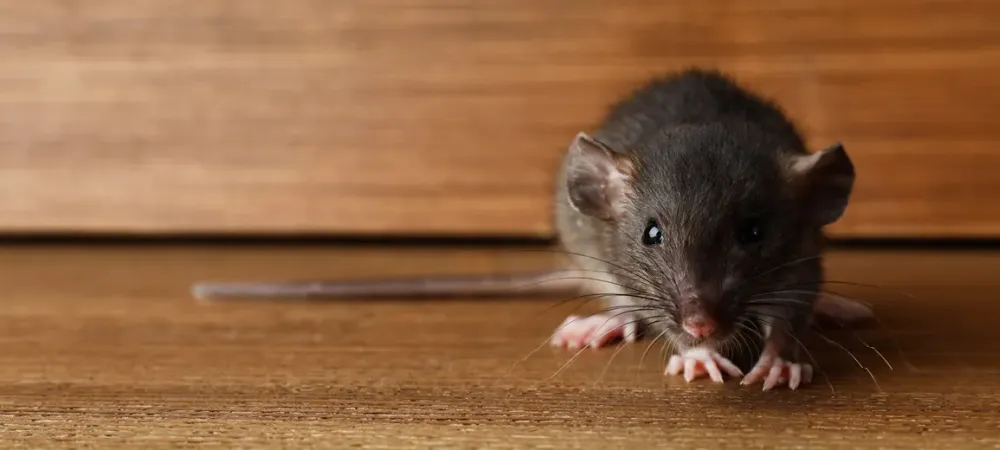
As temperatures start to drop across New Jersey, wildlife goes looking for warm, dry places to spend the winter, and your home can look like the perfect option. Squirrels, raccoons, mice, and other animals are all drawn indoors this time of year, often through gaps homeowners don't even know exist. Taking a few preventive steps in the fall can save you from dealing with an active infestation once the cold sets in.
Inspect Your Home's Exterior
Before winter arrives, walk the full perimeter of your home to spot the weak points wildlife is most likely to exploit.
- Roofline and soffits. Check for gaps where the roof meets the walls, damaged shingles, or loose soffit panels that create easy access to the attic.
- Foundation and siding. Look for cracks, gaps around utility lines, or damaged siding near ground level, which are common entry points for smaller animals.
- Chimneys and vents. Uncapped chimneys and vents without proper covers are among the most common ways raccoons and squirrels get inside during colder months.
- Deck and shed undersides. Open gaps beneath decks, porches, and sheds offer sheltered, low-traffic spots that are attractive to wildlife looking to den for the season.
Seal Entry Points the Right Way
Finding gaps is only half the job. Sealing them properly is what keeps animals out for good.
- Use durable materials. Wire mesh, metal flashing, and heavy-duty caulking hold up far better against gnawing and clawing than foam or standard caulk.
- Install chimney and vent caps. Proper caps block access while still allowing for ventilation, which is important for both moisture control and air quality.
- Trim back tree branches. Cutting branches back 8–10 feet from the roofline removes an easy climbing path for squirrels and raccoons.
- Double-check before sealing. Make sure no animals are already inside before closing up an entry point, since trapping wildlife inside your home creates a bigger problem.
Don't Overlook Insulation
Your home's insulation plays a bigger role in wildlife prevention than most people expect.
- Damaged insulation invites nesting. Gaps or thin spots in attic insulation make it easier for animals to burrow in and build a nest undetected.
- TAP Insulation adds a layer of protection. Beyond improving energy efficiency, TAP (Thermal, Acoustical, Pest Control) Insulation is treated to help deter common pests, which is especially useful heading into a season when animals are actively seeking shelter. You can read more in How TAP Insulation Keeps Pests Out of Your New Jersey Home.
- A pre-winter insulation check can catch problem areas before they become an entry point, rather than after.
Know the Signs You're Already Too Late
Even with preventive steps, it's worth knowing the warning signs that wildlife has already moved in, especially if your home has a history of activity. Scratching or thumping in the attic, chewed materials, and droppings near vents or soffits are all signs covered in more depth in How Wildlife Gets Inside Your Home. If raccoons are a concern in your area, our post on Where Do Raccoons Sleep? A Guide for Homeowners in New Jersey covers where to look first, and homeowners dealing with skunks around sheds or porches can check out How to Get Rid of a Skunk in New Jersey.
Get Ahead of Winter Wildlife Activity
Animal-proofing your home before winter is far easier, and less expensive, than dealing with an active infestation once the cold arrives. A-Academy offers professional wildlife removal and insulation services throughout New Jersey to help identify vulnerable areas and seal your home up properly before the season changes. Contact us today to schedule a free inspection.